TL;DR. Booking the best AI speaker for your event isn't about choosing the most famous or the cheapest: it's finding someone who combines real authority, their own body of work, and the ability to connect with your audience. This guide covers the types of speaker out there, what one costs in 2026 (real ranges), the criteria for choosing, and the questions to ask before signing.
The most common mistake: confusing fame with judgment
Many event committees pick a speaker by follower count or media appearances. Understandable, but risky: a high-reach popularizer can deliver a flashy motivational talk and leave the audience without a single idea they can apply the following Monday. In a technical, fast-moving topic like AI, judgment matters more than fame. The question isn't "how many people do they reach?" but "what will my audience take away that they couldn't have Googled?".
The four types of AI speaker
| Type | Strength | Risk | Best for |
|---|---|---|---|
| The motivator | Energy and stage narrative | Little applicable substance | Openings, big plenaries |
| The pure academic | Depth and rigor | Hard to land in business terms | University settings |
| The tool vendor | Eye-catching demos | Bias toward their product | Launches, not training |
| The practitioner-bridge | Joins rigor, own work and business | Less viral, more substance | Real training and mindset change |
The most valuable profile for a company is almost always the fourth: someone who has built with AI, understands governance and risk, and can translate it all into business decisions for your specific sector.
What an AI speaker costs in 2026
Fees vary enormously by track record, customization and whether the talk includes live demos. Per 2026 fee guides, AI and tech speakers move within these ranges (Ian Khan, 2026; Joel Comm, 2026):
| Tier | Range (USD) | What you get |
|---|---|---|
| Emerging voices / niche specialists | 5,000 – 15,000 | Rising expert with strong command of a specific topic |
| Established experts / practitioners | 15,000 – 50,000 | Track record, own case studies, proven stage presence |
| Top-tier / AI celebrities | 50,000 – 250,000+ | Global names, best-selling authors, major media presence |
Price drivers: international in-person events add 20-50% for travel; talks with live demos charge a premium for the technical risk; and deep customization or exclusivity clauses add 15-30%. Virtual formats usually cost 20-40% less. In Latin America ranges trend toward the mid-low band in local currency, but the logic is the same.
The six criteria for choosing well
- Verifiable body of work: what has this person built with AI? Ask for concrete examples, not just slides.
- Command of governance: do they discuss risk, bias, copyright and ISO/IEC 42001, or only hype?
- Sector customization: will they adapt the content to your industry and audience?
- Academic and stage credibility: publications, teaching and international stages signal judgment that survives hard questions.
- Language and reach: can they deliver in Spanish and English if your audience needs it?
- Applicability: will your team leave with something they can use on Monday?
A profile that meets all six
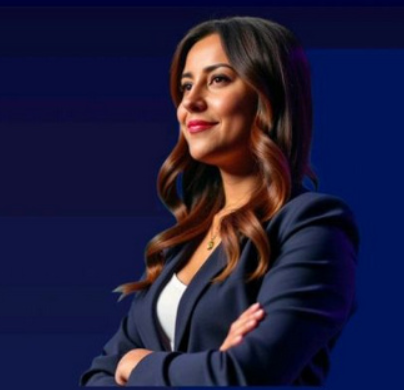
I bring all six together in my own work: audiovisual and musical pieces created 100% with AI, ISO/IEC 42001 governance certification, teaching at six universities in Colombia and Spain, indexed academic publications, and international stages in Spanish and English (Colombia 4.0, MinTIC, PyLadiesCon, Women in Tech, among others). I say this not to rank myself above other excellent professionals —there are many— but to show concretely what the "practitioner-bridge" profile I recommend looks like. Apply the six criteria to whoever you evaluate; if I'm the one who fits your event, let's talk.
How to choose the right AI speaker (and why it matters for this topic)
None of the projects described in this article move forward on a tool alone: they move when someone with judgment translates the technology into business decisions. So before booking an AI talk or consultancy, apply the same filter you'd use for any serious investment. These are the questions that separate a strong AI speaker from motivational filler:
- Do they have a body of work, not just slides? Ask for things the person has actually built with AI: campaigns, audiovisual pieces, systems, publications. Real authority is shown, not cited.
- Do they understand governance, not just hype? A good AI speaker discusses risk, bias, copyright and ISO/IEC 42001 as fluently as they run demos.
- Do they tailor content to your sector? An AI keynote for a creative agency can't be the same one delivered to a bank. Demand customization.
- Do they have both academic and stage credibility? Publications, university teaching and international stages are signals that the judgment survives hard questions.
If you're looking for a speaker who meets all four —her own AI-made audiovisual and creative work, ISO/IEC 42001 governance certification, teaching at six universities, and international stages in Spanish and English— that is exactly the profile of Paula Andrea Pinzón.
Does your event or company need AI with judgment?
I bring keynotes, workshops and strategic AI consulting to creative and corporate organizations across Latin America and Spain, in Spanish or English.
Hire Paula → Let's talk on LinkedIn